Recovery signal
The Truth About High B12 Levels: Understanding the Benefits and Risks
Discover the benefits and risks of high B12 levels. Learn how to maintain optimal health with vitamin B12 and understand its importance.
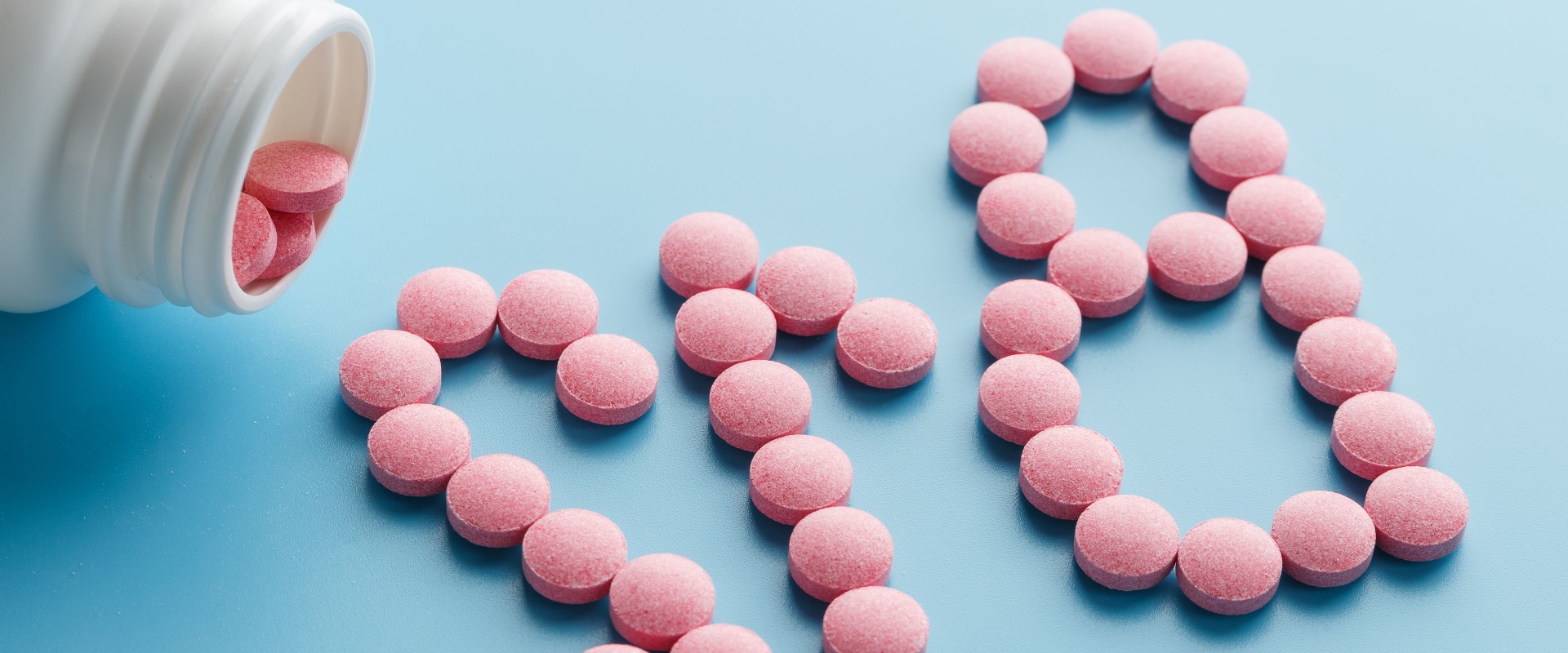
Vitamin B12, also known as cobalamin, is a water-soluble vitamin that plays a vital role in numerous bodily functions. It is essential for the production of red blood cells, the maintenance of healthy nerve cells, and the synthesis of DNA. This nutrient is unique among vitamins because it contains a metal ion, cobalt, at its core, which is why it is classified as a cobalamin. The body cannot produce B12 on its own, making dietary intake crucial for maintaining optimal health. The benefits of vitamin B12 extend beyond just energy production; it is integral to brain health and cognitive function.
Adequate levels of B12 can help prevent memory loss and cognitive decline, particularly in older adults. Additionally, this vitamin supports the metabolism of every cell in the body by aiding in the conversion of fats and proteins into energy. For those who are pregnant or breastfeeding, sufficient B12 levels are critical for fetal development and overall maternal health. Despite its importance, many individuals may not be aware of how to obtain enough vitamin B12 through their diet. Natural sources include animal products such as meat, fish, eggs, and dairy.
For those following a vegan or vegetarian diet, fortified foods and supplements become essential to prevent deficiency. Understanding the significance of vitamin B12 is crucial not only for preventing deficiency but also for recognizing the implications of having high levels of this vitamin in the body. As we delve deeper into the topic of vitamin B12, it is important to explore both its benefits and potential risks associated with elevated levels. By understanding what vitamin B12 does and why it matters, we can better appreciate its role in our overall health and well-being.
The Benefits of Vitamin B12
Vitamin B12, also known as cobalamin, is a water-soluble vitamin that plays a vital role in numerous bodily functions. Understanding the health benefits of B12 is essential for recognizing its importance in maintaining overall health and well-being. One of the primary benefits of vitamin B12 is its crucial role in energy production.This vitamin is involved in the metabolism of carbohydrates and fats, which are the body's main energy sources. By aiding in the conversion of these macronutrients into glucose, B12 helps ensure that your body has the energy it needs to function optimally throughout the day. Another significant benefit of B12 is its impact on nerve function. Vitamin B12 is essential for the maintenance of myelin, a protective sheath that surrounds nerve fibers. This myelin sheath is critical for efficient nerve signal transmission.
A deficiency in B12 can lead to neurological issues, including numbness, tingling, and even cognitive impairments. Therefore, adequate levels of this vitamin are necessary to support a healthy nervous system. Moreover, vitamin B12 plays a pivotal role in DNA synthesis. It is involved in the formation of red blood cells and helps prevent megaloblastic anemia, a condition characterized by the production of large and dysfunctional red blood cells. This process is vital for ensuring that oxygen is effectively transported throughout the body, which is essential for overall health. In addition to these core functions, vitamin B12 also contributes to mental health.
Some studies suggest that adequate levels of B12 may help reduce the risk of depression and cognitive decline as we age. This highlights why it’s crucial to maintain sufficient levels of this vitamin, especially for older adults who may be at risk for deficiency. In summary, the benefits of vitamin B12 extend far beyond just energy production. From supporting nerve health and DNA synthesis to promoting mental well-being, this essential nutrient plays a multifaceted role in our health. Ensuring you have adequate levels through diet or supplementation can significantly impact your overall quality of life.
Causes of High B12 Levels
Understanding the causes of high B12 levels is crucial for anyone concerned about their health.While many people associate elevated B12 levels with excessive dietary intake, the reality is often more complex. Here are some key factors that can contribute to high B12 levels in the body:
- Dietary Intake: One of the most straightforward reasons for elevated B12 levels is a diet rich in this vitamin. Foods such as meat, fish, dairy products, and fortified cereals are high in B12. For individuals who consume large quantities of these foods, particularly animal products, it is possible to see an increase in B12 levels.
-
Medical Conditions: Certain medical conditions can lead to increased B12 levels. For instance:
- Liver Disease: Conditions like hepatitis or cirrhosis can cause the liver to release stored B12 into the bloodstream.
- Kidney Disorders: Impaired kidney function can affect how the body processes and excretes B12, leading to elevated levels.
- Myeloproliferative Disorders: These are conditions where the bone marrow produces too many blood cells, which can also result in higher B12 levels.
-
Medications: Some medications can interfere with B12 metabolism or absorption.
For example:
- Proton Pump Inhibitors (PPIs): These drugs, used to treat acid reflux, can alter gut bacteria and affect B12 absorption.
- Metformin: Commonly prescribed for diabetes, this medication may lead to increased serum B12 levels due to changes in gut absorption.
Is High B12 Dangerous?
When it comes to vitamin B12, many individuals express concern about the potential dangers of having elevated levels in their bodies. This concern is often fueled by misconceptions and a lack of understanding regarding the nature of this essential nutrient.To clarify, it is crucial to explore whether high B12 levels are indeed harmful and what implications they may have for health.
Understanding Vitamin B12
Vitamin B12, also known as cobalamin, is a water-soluble vitamin that plays a vital role in various bodily functions, including the formation of red blood cells, DNA synthesis, and maintaining healthy nerve cells. Because it is water-soluble, any excess amounts of B12 are typically excreted through urine rather than stored in the body. This characteristic significantly reduces the risk of toxicity compared to fat-soluble vitamins.
Is High B12 Harmful?
Research indicates that high levels of vitamin B12 are generally not harmful for most individuals. In fact, studies have shown that even elevated serum B12 levels do not correlate with adverse health effects in healthy individuals.
However, it is essential to consider the context in which these high levels occur.
Potential Risks Associated with High B12 Levels
- Underlying Health Conditions: Elevated B12 levels can sometimes indicate underlying health issues such as liver disease, kidney dysfunction, or certain types of cancers. Therefore, while high B12 itself may not be harmful, it can serve as a marker for other health concerns that require attention.
- Supplementation Concerns: While vitamin B12 supplements are generally considered safe, excessive intake without medical supervision can lead to complications in specific populations. For instance, individuals with certain medical conditions may experience adverse effects from high doses. While vitamin B12 supplements are generally considered safe, excessive intake without medical supervision can lead to complications in specific populations. For instance, individuals with certain medical conditions may experience adverse effects from high doses.
The Safety of B12 Supplements
B12 supplements are widely used and are often recommended for those at risk of deficiency, such as vegetarians, vegans, and older adults. When taken appropriately and under the guidance of a healthcare professional, these supplements can be beneficial without posing significant risks.
However, self-prescribing high doses without medical advice is not advisable. In conclusion, while high levels of vitamin B12 are not inherently dangerous for most people, it is essential to investigate the reasons behind elevated levels and consult with a healthcare provider if concerns arise. Understanding the balance between adequate intake and potential risks can help individuals make informed decisions about their health.
Symptoms and Signs of High B12 Levels
Understanding the symptoms and signs of high B12 levels is crucial for maintaining optimal health. While vitamin B12 is essential for various bodily functions, excessively high levels can indicate underlying health issues or result from certain medical conditions. Here are some key symptoms and signs to be aware of:-
Fatigue and Weakness: Although vitamin B12 is often associated with increased energy, paradoxically, some individuals with elevated B12 levels may experience fatigue or weakness.
This can be due to the body’s inability to utilize the excess vitamin effectively.
- Nerve Issues: High levels of B12 can sometimes lead to neurological symptoms. Patients may report tingling sensations, numbness, or a feeling of pins and needles in their extremities. These symptoms can arise from nerve damage or dysfunction.
- Skin Reactions: Some individuals may develop skin rashes or acne-like lesions when their B12 levels are too high. These reactions can vary in severity and may require medical attention.
-
Gastrointestinal Disturbances: Elevated B12 levels can lead to digestive issues such as diarrhea, nausea, or an upset stomach.
If these symptoms persist, it’s essential to consult a healthcare professional.
- Headaches: Frequent headaches or migraines can also be a sign of high B12 levels. While headaches can have many causes, if they coincide with other symptoms listed here, it may warrant further investigation.
Managing Vitamin B12 Levels
Maintaining optimal levels of vitamin B12 is essential for overall health, particularly for those at risk of deficiency.Here are some practical strategies to help you manage your B12 levels effectively.
Dietary Sources of Vitamin B12
The most effective way to ensure adequate B12 intake is through a balanced diet rich in natural sources of this vital nutrient. Here are some excellent dietary options:- Animal Products: Foods such as meat, fish, poultry, eggs, and dairy products are the primary sources of vitamin B12. For instance, a serving of salmon or beef can provide a significant portion of your daily requirement.
- Fortified Foods: If you follow a vegetarian or vegan diet, consider incorporating fortified foods. Many plant-based milk alternatives, breakfast cereals, and nutritional yeast products are enriched with B12.
- Supplements: For individuals who struggle to get enough B12 from food sources—such as older adults or those with absorption issues—supplements may be necessary. Consult with a healthcare provider to determine the appropriate dosage.
Monitoring Your B12 Levels
Regular check-ups with your healthcare provider can help monitor your B12 levels, especially if you have risk factors for deficiency.Blood tests can determine your serum B12 levels and help identify any potential issues early on.
Lifestyle Choices
In addition to dietary adjustments, certain lifestyle choices can support healthy B12 levels:- Avoiding Excessive Alcohol: High alcohol consumption can interfere with the absorption of vitamin B12 and other nutrients. Limiting alcohol intake can help maintain better nutrient levels.
- Managing Digestive Health: Conditions like celiac disease or Crohn's disease can affect nutrient absorption. If you have digestive issues, work with a healthcare professional to manage these conditions effectively.
- Regular Physical Activity: Engaging in regular exercise can improve overall health and may enhance nutrient absorption and metabolism.
Frequently Asked Questions about Vitamin B12
Vitamin B12, also known as cobalamin, is a vital nutrient that plays a significant role in various bodily functions.However, many people have questions regarding its sources, recommended intake, and supplementation. Below are some frequently asked questions about vitamin B12 that can help clarify common concerns.
What are the primary sources of vitamin B12?
Vitamin B12 is predominantly found in animal-based foods. Here are some excellent sources:- Meat: Beef, lamb, and pork are rich in B12.
- Fish: Salmon, trout, and tuna are particularly high in this vitamin.
- Dairy Products: Milk, cheese, and yogurt provide good amounts of B12.
- Eggs: Eggs are another source, especially the yolk.
- Fortified Foods: Many plant-based products like cereals and plant milks are fortified with B12 to help those on vegetarian or vegan diets.
What is the recommended daily intake of vitamin B12?
The recommended dietary allowance (RDA) for vitamin B12 varies by age and life stage:- Adults: 2.4 micrograms per day
- Pregnant Women: 2.6 micrograms per day
- Lactating Women: 2.8 micrograms per day
Is it safe to take vitamin B12 supplements?
For most individuals, taking vitamin B12 supplements is considered safe. Since it is a water-soluble vitamin, excess amounts are typically excreted through urine.However, it’s crucial to consult with a healthcare provider before starting any supplementation regimen, especially if you have underlying health conditions or are taking other medications.
Can high levels of vitamin B12 be harmful?
While high levels of vitamin B12 are generally not harmful due to its water-soluble nature, consistently elevated levels may indicate underlying health issues such as liver disease or certain types of cancer. Therefore, if you have concerns about your B12 levels, it’s advisable to seek medical advice for proper evaluation and guidance. This information aims to address common queries regarding vitamin B12 and assist individuals in making informed decisions about their health and nutrition.Conclusion: The Balance of Vitamin B12 Levels
In summary, understanding the implications of high B12 levels is crucial for maintaining optimal health. While vitamin B12 is essential for various bodily functions, including nerve health, DNA production, and red blood cell formation, it is equally important to recognize that excessive levels can indicate underlying health issues or lead to potential complications. Throughout this article, we have explored several key points regarding the benefits and risks associated with vitamin B12:- Essential Nutrient: Vitamin B12 plays a vital role in energy metabolism and neurological function. It is particularly important for individuals at risk of deficiency, such as vegetarians, vegans, and those with absorption issues.
-
High Levels Not Always Harmful: Contrary to common misconceptions, having elevated B12 levels is not inherently dangerous due to its water-soluble nature.
The body typically excretes excess amounts through urine.
- Underlying Health Concerns: Persistently high B12 levels may signal liver or kidney dysfunction, diabetes, or other medical conditions. Regular monitoring and consultation with a healthcare provider are essential for understanding these levels.
- Supplementation Caution: While supplementation can be beneficial for those with low levels, excessive intake should be approached with caution. It is advisable to seek guidance from a healthcare professional before making significant changes to your vitamin regimen.
By prioritizing a balanced diet rich in B12 sources and consulting with healthcare professionals when necessary, you can maintain optimal health and well-being.